Read my analysis on the subject on the C4EP website:
https://c4ep.eu/in-the-final-phase-towards-a-new-eu-migration-system
Read my analysis on the subject on the C4EP website:
https://c4ep.eu/in-the-final-phase-towards-a-new-eu-migration-system
I have given a few thoughts to the Heinrich Böll Stiftung a few days ago on the subject. I think that the subject will not go away for a long time, as the European Commission will put some elements of that a least to an infringment…
You can read the report here.
Read my analysis on the matter on the C4EP website:
Read my latest analysis on the C4EP website:
A chapter of mine with the title above has just recently been published in a book titled “Russia’s Imperial Endeavor and its Geopolitical Consequences: The Russia-Ukraine War”, edited by Bálint Madlovics and Bálint Magyar, with CEU Press.

The book is available in an ebook format on the website of the publisher, You can download my chapter from my Academia page.
Read my latest analysis of possible implications of the change of Polish government on the C4EP website:
https://c4ep.eu/not-that-pissed-up-anymore-implications-of-the-2023-polish-elections-on-the-eu/
Even though we had a rocky start with our first C4EP event this fall – I managed to catch a bad cold, while I was assigned to be the moderator of the event, one of our speakers indicated that he might be late because of work, and another one cancelling just before the event because of urgent obligations related to the upcoming EU Summit – we are pleased with how our „European Elections through Young Eyes” event turned out.
We have addressed many topics from the participation of youth in the elections through the Spitzenkandidaten process, even to the „F” word, dreaded all around the EU bubble of Brussels (in this case: the federalisation of the European Union).

It was great to cooperate with our invited speakers, Krisztina and Ivan from the European Parliament, but also our audience for being with us yesterday and staying with us after the event for a cool chat with some wine. We hope that You will join us in our next events, too! Additionally, we are grateful to Press Club Brussels to make sure that everything was working without an itch. We will be back!

A detailed report on the event will follow on the C4EP website, until then You can find some more photos on its Instagram and Facebook profiles!
Read my current C4EP analysis on the current state of the position, partly using the current “State of the European Union” address and also make an educated guess on the future of the position with or without the current President, Ursula von der Leyen.
It is also to be published in the next C4EPIECE Newsletter during this week.
Check it out here:
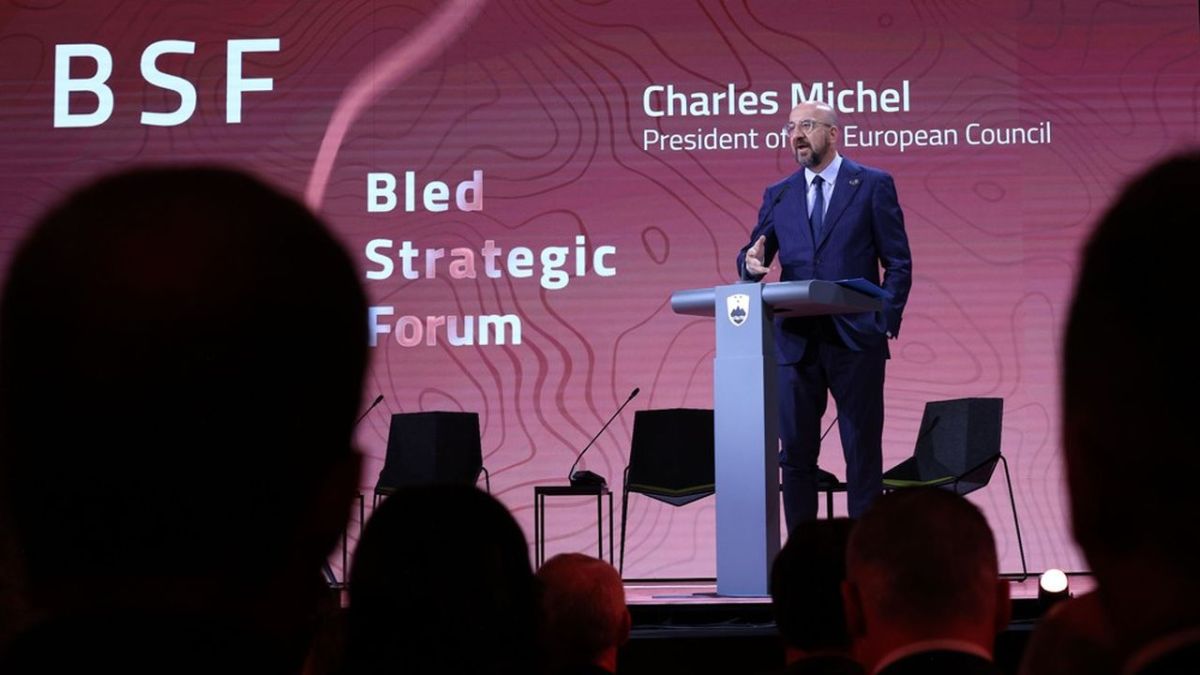
Charles Michel, the president of the European Council has addressed the participants of the prestigious Bled Strategic Forum. He is responsible for close cooperation with heads of states and governments of the EU member states, thus his ideas are worthy of attention as those presumably well-founded and formulated while understanding the positions of these leaders and their respective states.
I have prepared a short analysis of his speech to the C4EP Website (later to be included in its C4EPIECE Newsletter), trying to draw conclusions about the reality of those ideas and the possibility of implementing those during the time left of Michel’s term, ending in 2025.
Read it here!
The issue of the veto power has recently come to the forefront of attention and debate both on global and European level. This usually happens when current political events draw attention to something. Today this is related to the Russian aggression against Ukraine (reviving the debate earlier related to other issues): among the debates within the European Union, its operation and future, the question of the right of veto belonging to individual member states had already featured prominently in the decision-making process of the EU, but the need for unanimity with regard to sanctions against Russia gives it a special relevance.
I have prepared an analysis on the subject to the C4EP website, later to be included in its C4EPIECE Newsletter.
Read it here!