Ukrainian-Russian summit in Budapest?

The possibility mentioned in the title has been mentioned more and more in the press, so it may be worthy to take a look into that. The fact is that for Viktor Orbán, it would mean a very serious diplomatic success from a political point of view, which can easily be converted into an excellent domestic political advantage with the next year’s Hungarian elections: look all, important things are happening and being decided here, organised by me, and in the event of successful negotiations, Budapest could literally write itself into the great books of diplomacy and history by achieving the Budapest Peace or Ceasefire (forget the Budapest Memorandum of 1994 now, please). This would be important for him not only from a foreign but also from a domestic political point of view, as he could use it to support his problematic foreign policy shifts and often incoherent steps of recent years.

Moreover, the biggest shame of the recent years, which I have also been constantly and intensely criticizing – the withdrawal from the International Criminal Court (ICC) – would become understandable here. Make no mistake, my position on the matter remains unchanged in principle, but the step, if still not moral, could become practically and politically defensible in the case of such a major diplomatic success. There is a good chance that the Russian president would not come to an EU member state that would be obliged to arrest him, but – Hungarian diplomacy and Viktor Orbán may reason – if the danger of that no longer exists, then there is no obstacle to the meeting on Hungarian territory. And that is why it may be worthy to accept the political-diplomatic inconveniences, especially since there were no particularly major disadvantages to be countered: the International Criminal Court ruled that Hungary had violated the provisions of the Rome Statue, the founding treaty of the ICC by not arresting Netanyahu, and did the only thing it could do, expressed its sorrow and pain to the Assembly of States Parties, where nothing happened – as usual. The European Union is also – for now – silent on the issue, apparently the EU institutions are not bothered enough by the violation of one of the very few common foreign policy values to do something, it’s not even impossible, that they partly share the Hungarian government’s plans and don’t want to get in the way of those. We don’t know this, it’s not important, the point is that they did not make this foreign policy step “more expensive”.

So, it may seem that this might even be possible. However, as always, the calculation may be wrong again.

As I said at the time, several times, in several places, leaving the International Criminal Court will not happen overnight. After the document on the withdrawal has been received by the UN Secretary-General, the ICC statute will still be binding on the state party for one more year, so its binding force will not cease until next summer, to be precise, June 2, 2026. However, the elections in Hungary next year will take place before that, so such a possible diplomatic success will not be useful there, and it is not worth expecting that the Russian side will put aside its worries, and certainly not that the Ukrainian side, striving for European integration, will take part in such a dog comedy. The painful reality is that Viktor Orbán is not worth it to anyone to deviate from his own safe path. However, if the Hungarian government is thinking in the longer term, this may still seem like a feasible solution for it (a meeting in Budapest in the fall of 2026), and although the practice so far does not fundamentally allow us to conclude this, it cannot be ruled out that it will be able to let go of thinking strictly in terms of election cycles in the field of foreign policy. This is not far from the political profile of Viktor Orbán in recent years, and if we assume that news related to the preparation of the meeting may also have political communication value, then such a solution is not unrealistic either.

Especially in light of the fact that one can essentially rejoin the International Criminal Court system at any time for free… At this point, I would refer to what the President of the Assembly of States Parties said when he commented on the withdrawal of Hungary: “I truly hope that Hungary’s withdrawal from the Rome Statute is not permanent, but just a brief pause to its commitment to international justice”. So the next question may be whether it is fortunate for states to abandon their “commitment to international justice” due to their current foreign policy interests. This is not just a theoretical-philosophical problem, as representatives of the Hungarian government have also continuously contrasted the values of “justice” and “peace” in their communication on the subject of the International Criminal Court, reflecting (even if unknowingly) on the possibility included in Article 16 of the Rome Statute (criticized by many from the beginning), according to which the UN Security Council can suspend any investigation or proceeding before the International Criminal Court at any time if it deems it necessary in the interests of maintaining international peace and security.

So the question, to which the future will provide the answer, is whether the Hungarian government only wanted to make such a quick turn, and whether we consider the possibility of such turns to be a good one at all.
Netanjahu ki nem adásának, illetve a Nemzetközi Büntetőbíróság elhagyásának következményei

Miután valóra váltak a legrosszabb elképzeléseim, a magyar kormány valóban meghívta Netanjahut, majd nem tartóztatta le és nem adta ki, sőt, Orbán bejelentette, hogy Magyarország elhagyja a Nemzetközi Büntetőbíróság rendszerét, érdemes egy gyors pillantást vetni rá, hogy mekkora kását sikerült kavarni.

Ezekről a kérdésekről elég sokat beszéltem mostanában, így például a Magyar Közöny Podcast, az Index, az ATV-n, közvetlenül a helyzet előtt a Klubrádión, vagy jóval korábban még a Hírklikk oldalain, valamint emlékeztetnék rá, hogy a hazai kollégákkal közösen kiadtunk egy nyilatkozatot is, ami azóta mértékadó nemzetközi fórumokon (OpinioJuris blog, Völkerrechtsblog) is megjelent.

A letartóztatási parancs nem teljesítése

Amint várható volt, a bíróság a magyar kormány jogsértését észlelve eljárást indított az az által elkövetett szerződésszegés miatt, és erről beszámolt a hazai sajtó is, lásd pl. itt vagy itt. Annyit mindenképpen előrebocsátanék, hogy a cikkben említett “kötelezettségszegési eljárás” nem azonos az EU-s hírekből indult uniós “kötelezettségszegési eljárás”-okkal, semmi köze azokhoz. Ez annyit takar, hogy maga a bíróság ebben az eljárásban meg fogja állapítani, hogy Magyarország megszegte a bíróság alapokányából fakadó kötelezettségeit.

Mi lesz ennek a következménye? A bíróság eddigi gyakorlatában az ilyen esetek utáni eljárások azzal értek véget, hogy a bíróság rögzítette a jogi helyzetet (azaz kimondta az állam jogsértését), majd az ügyet átadta a bíróság főszervének, az ún. Részes Államok Közgyűlésének (illetve az ENSZ Biztonsági Tanácsnak, ha az olyan helyzettel összefügésben született, amit az utalt a bírósághoz). Miért? Mert az ilyen szerződésszegés lehetséges következményeit a rendszerben részes államoknak (azaz a többi szerződő államnak) kell eldönteniük, a nemzetközi jog eszköztárába tartozó bármilyen módszer alkalmazásával. Miután a Nemzetközi Büntetőbíróság megállapítja, hogy Magyarország nemzetközi jogot sértett, annak áldozatai, azaz a többi részes állam akár az önsegély keretében jogszerűen szinte azt csinál, amit akar, ellenintézkedés keretében.

A nemzetközi jogban az önsegély lényege, hogy a szerződésszegővel szemben a szerződés többi részese akár egy másik szerződés megszegésével is reagálhat, ha azt látja megfelelőnek. Nyilván ennek van valamiféle korlátja, tehát az ellenintézkedésként tett lépés nem sérthet jus cogens normát (tehát nem járhat pl. fegyveres erő alkalmazásával, vagy nem vezetheti be a kötelező rabszolgaságot az adott állam polgárai tekintetében), illetve általánosságban arányosnak kell lennie. A lényeg, hogy a bíróság várható marasztaló ítélete megadja a jogi alapot ehhez, de hogy konkértan mi lesz… Csak találgatni lehet. Az is lehet, hogy semmi, ahogy az eddigi esetekben történt – csakhogy az eddigi esetek nem EU tagállamok voltak, akik tekintetében az EU is csinálhatott volna valamit. Ellenben ha most pl. az EU tagállamok azt mondják, hogy a független igazságszolgáltatás ilyen mértékű ignorálása miatt Magyarország tekintetében törlik az európai letartóztatási parancs intézményét, akkor amiatt egy szavunk sem lehet majd. Nem állítom, hogy ez lesz, csak elsőként most ez jutott eszembe. Sajnos a lehetőségek majdnem korlátlanok.

Arról is már sokat és sokszor beszéltem, hogy a folyamatban lévő jogállamisági vitákban jelentősen rombolja majd a kormány pozícióját az a tény, hogy nyíltan megtagad egy bírósági döntést. De hát a magyar kormányt ez nyilván nem annyira zavarja.

A Nemzetközi büntetőbíróság elhagyása

Első körben érdemes rögzíteni, hogy a bíróság alapokmánya alapján egy részes állam bármikor elhagyhatja a bíróság rendszerét, annak van egy előre meghatározott eljárásrendje. Ez azt írja elő, hogy az adott állam a saját alkotmányos előírásainak megfelelően dönt a kilépésről, majd azt közli az ENSZ főtitkárával, és onnantól számított egy év múlva szűnik meg a tagsága.

Ez azt jelenti, hogy a fenti, Netanjahuval kapcsolatos ügyben a kilépés nem segít a kormányon. Az Országgyűlés döntését ugyanis csak most kezdeményezte az örök kezdeményező Semjén Zsolt, szóval még egy évig Magyarország köteles együttműködni a Nemzetközi Büntetőbírósággal, azaz az előző részben említett eljárásban ennek semmi hatása nem lesz.

Utána viszont szabadon jöhet majd akár Orbán Viktor legnagyobb barátja, Vlagyimir Putyin, illetve a földgolyó bármilyen népirtó és egyéb söpredéke, a magyar név nagyobb dicsőségére. Bár azt érdemes megjegyezni, hogy ezek a bűncselekmények a magyar jog szerint is bűncselekmények, de hát a rezsim leghűbb ügyésze, Polt Péter majd nyilván kellő óvatossággal csinálja majd a szokásos semmit, hogy ne zavarja az orbáni diplomáciát a szokásos sikerek sikerre halmozásában.

De önmagában a kilépésnek nincsenek jogi következményei, azon túl, hogy nagyon kellemetlen, és igen rossz megítélést okoz – függetlenül attól, amire a kormány most nagy lelkesen mutogat, nevezetesen a bíróság működésében gyakran tapasztalható kisebb-nagyobb problémáktól. És itt újra felhívnám a figyelmet az előző rész utolsó bekezdésében foglalt, az Európai Unión belüli politikai következményekre. Ezek azért lehetnek érdekesek, mert kevés dolog van, amiben az uniós tagállamok annyira egyetértenek, hogy az közös uniós külpolitikai álláspontokat tud képezni, ezek között az egyik épp a Nemzetközi Büntetőbíróság támogatása. Ami persze továbbra sem érdekli majd a kormányt…

Nie wywołuj wilka z lasu, Polska – on a possible exemption provided to Israeli politicians from the ICC

There are news going around the Polish government possibly granting immunity for official Israeli visitors from arrest and extradition to the ICC. Although the news is currently quite ambiguous (there has been no concrete announcement from Netanyahu about a visit to Poland), it is important to state that a state party to the Rome Statute cannot validly guarantee such immunities – the Statute contains the obligation to arrest and surrender without any exceptions.

Although the absurdity of the situation is indisputable – namely the idea that the Israeli Prime Minister arriving for the Auschwitz memorial service should face the risk of arrest – the ICC arrest warrant is not a political product, and accordingly, it does not take such aspects into account.

Poland, however, must take into account its existing obligations, and these are clear under the Statute.

Personally, I think that Netanyahu will not travel to Poland, what we are seeing now is nothing more than a “rumble” taking place in the Polish political communication space – the first to speak on the subject was President Duda, who has absolutely no problem putting Prime Minister Donald Tusk in a difficult position. The latter has to respond to this, while having to be very careful not to alienate his country from either the Western allies, the EU or the International Criminal Court itself, which has/will have an important role in the ongoing Russian-Ukrainian war, itself as a kind of “ally”, with the arrest warrant issued against Putin.

Online előadás az orosz-ukrán konfliktus nemzetközi jogi kérdéseiről

Valamivel több mint két hete tartottam egy online előadást az orosz-ukrán konfliktus nemzetközi jogi kérdéseiről a Tomori Pál Főiskola szakkollégiumának szervezésében, ennek szerkesztett változata a YouTube-on mostantól elérhető.

Figyelem, szakmai tartalom, politika/közélet csak nyomokban van benne, talán a végén, az uniós szankcióknál, ott meg ugye külön érdekességet ad neki a tegnapi éjjeli megállapodás az Európai Tanácsban, amiről valamikor lesz egy külön poszt is…

The “other The Hague” – the ICC and the Ukraine-Russia conflict

Questions about violations and possible war crimes comitted during the conflict become more and more vocal, and we hear more and more about the option of the “other The Hague” court – the International Criminal Court (ICC), created in 1998, in operation since 2002 (not to be confused with the International Court of Justice (ICJ), which is tasked with inter-states disputes).

As neither Ukraine nor Russia is party to the founding international treaty of the ICC, the so-called Rome Statute (though both of them have signed it after its adoption in 2000), the Court’s operation needs a specific linking element, providing jurisdiction. According to the Statute, this may be the UN Security Council referring the situation to the Court, which logically requires the consent or at least the absence from the Russian Federation – but there is no doubt about the state rather using its veto. The same way it was done a few years ago, when there was the idea to create a special tribunal to examine possible responsibility for the tragedy of the MH17 flight. In general, I am not a big fan of this possibility, as You can see from more of my earlier publications, this has not proven to be an effective way during the past years.

However, it is not needed in the current situation, as Ukraine had already accepted the jurisdiction of the ICC during 2014-2015 by unilateral declarations according to the relevant provisions of the Statute. Based on these, the Office of the Prosecutor have already been conducting preliminary examinations, leading to Russia withdrawing from the ICC in 2016, meaning the withdrawal of the signarure from the treaty, instead of concluding the ratification procedure. This means that the Court has jurisdiction over any war crimes committed on the territory of Ukraine, regardless of the nationality of the perpetrator. Based on this, the Prosecutor has already stated, that he plans to initiate investigations, possibly leading to actual charges. Needless to say, I do not expect any cooperation from the Putin-led Russian government, but at least the legal base of the ICC’s operation is clear without any resolutions from the UN Security Council.

It is worthy to mention, that there was a bit of a twist in the question related to jurisdiction, which has come to me as a surprise at the beginning. In his statement, the Prosecutor has called upon the states party to the ICC to refer the situation of Ukraine to the Court according to Article 14 of the Statute – while based on Article 15, he could have initiated investigations and then press charges proprio motu (on his own right) based on Ukraine’s abovementioned earlier declarations. As a reaction, more states party have done it quickly, but I felt a bit confused – why was this needed?

Logically, by this the Prosecutor intends to circumvene the pre-trial procedure which is needed in the case of application of Article 15 – if the Prosecutor initiates investigations proprio motu, he needs a permission from the Court. Application of Article 14, referral by states party does not require this, in that case investigations can be initiated immediately. Probably the goal is to gain time, to put pressure on Russia as soon as possible. (Interestingly, one of the main arguments of the US against the ICC from the very beginning has been built around the question of limiting the powers of the Prosecutor in the case of his/her attempts of overstepping the rules. The solution to this problem was the pre-trial procedure, which now seems to be taken care of by the Prosecutor this way…)

I have serious doubts that states party may do this. Can a state party refer a situation to the Court based on Article 14, if taht state itself does not have jurisdiction over that situation? Based on the practice so far, states have only referred to the ICC situations over their own territory, which is compatible with the principle of complementarity and general provisions of international law, the do not have any legal base to do the same with territory of an other state. Even authors of professional literature have not mentioned this possibility ever before, not even in theory. I would not be surprised at all to see this question being raised later, if the Prosecutor decides to continue its work based on these Article 14 referrals.

We will be watching.

Sok témás reggel a mai Pirkadat-ban

A ma reggeli Pirkadat egy jó erős ébresztő kávénak is elment volna. M. Kende Péter társaságában nem könnyű témákat beszéltünk ki, szó esett az izraeli-palesztin konfliktusról, az ahhoz kapcsolódó magyar kormányzati magatartásról, a cseh-orosz viszonyról, de szóba került a Fudan egyetem kérdése és az ellenzéki előválasztás is.

A beszélgetés itt visszanézhető:

A belarusz helyzet a Nemzetközi Büntetőbíróság előtt?

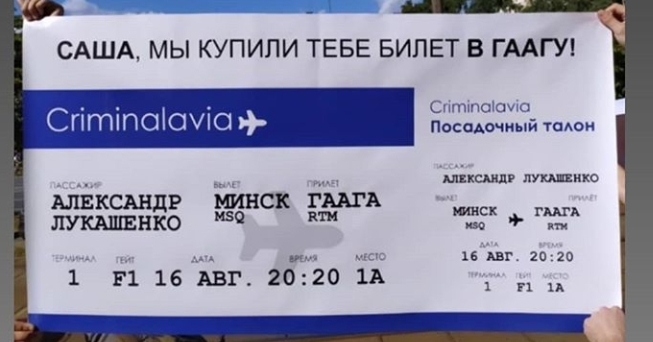
Szása, megvettük a jegyedet Hágába!

A belarusz tiltakozók között van, aki már képletesen megvette a jegyet Lukasenka elnök számára Hágába. De eljárhat-e a Nemzetközi Büntetőbíróság a kialakult helyzettel kapcsolatban?

Ezt a kérdést járom körbe az HBC News augusztus 20-i MultiLATerál adásában, délelőtt 10 órakor. Hallgassák meg!

A csatorna Facebook oldala itt érhető el, honlapja pedig, ahol hallgatni is lehet, itt. A stream közvetlenül itt is elérhető, valamint hallgatható itt is, ehhez mobilalkalmazás is elérhető.

Az HBC-n elhangzott műsoraim az ismétlés után visszahallgathatók az Anchor csatornámon, valamint a jelentősebb platformokon, így a Spotify-on, a Google Podcasts-on illetve az Apple Podcasts-on.

HBC News, MultiLATerál előző adás ismétlése és a következő adás

Szépen lassan kezd összeállni az HBC News szerkesztősége és műsorrendje, az ilyenkor szokásos apró módosításokkal, a július 2-re időzített véglegesítés előtt. Az én MultiLATerál-om szerda délutánról átment csütörtök délelőttre és aznap éjféli ismétlésre. Emellett az ismétlések a Soundcloud és az Anchor csatornámon is elérhetőek, nemsokára teljes Anchor archívuma is lesz a rádiónak.

A múlt heti adás visszahallgatható, és a podcast csatornám követhető már itt, a Spotify-on is:

A holnapi, 10 órakor kezdődő MultiLATerál témája pedig – reflektálva a napi hírekre – a strasbourgi bíróság működése lesz, kitérve a hétfői hírre, amely szerint az elutasította a Jobbik által az ÁSZ intézkedésével szemben benyújtott panaszt, ezt a kérdést is körüljárjuk majd, különös tekintettel a Magyar Hang tegnapi írására, amely sajnos vet némi árnyékot a bíróság döntésére. Vajon van alapja az aggodalomnak?

Multilaterál holnap délelőtt 10 órakor az HBC News Hungary műsorán!